NEWS
ニュース
Shunske Sato Wins the 57th Suntory Music Award! Shunske Sato Wins the 57th Suntory Music Award!
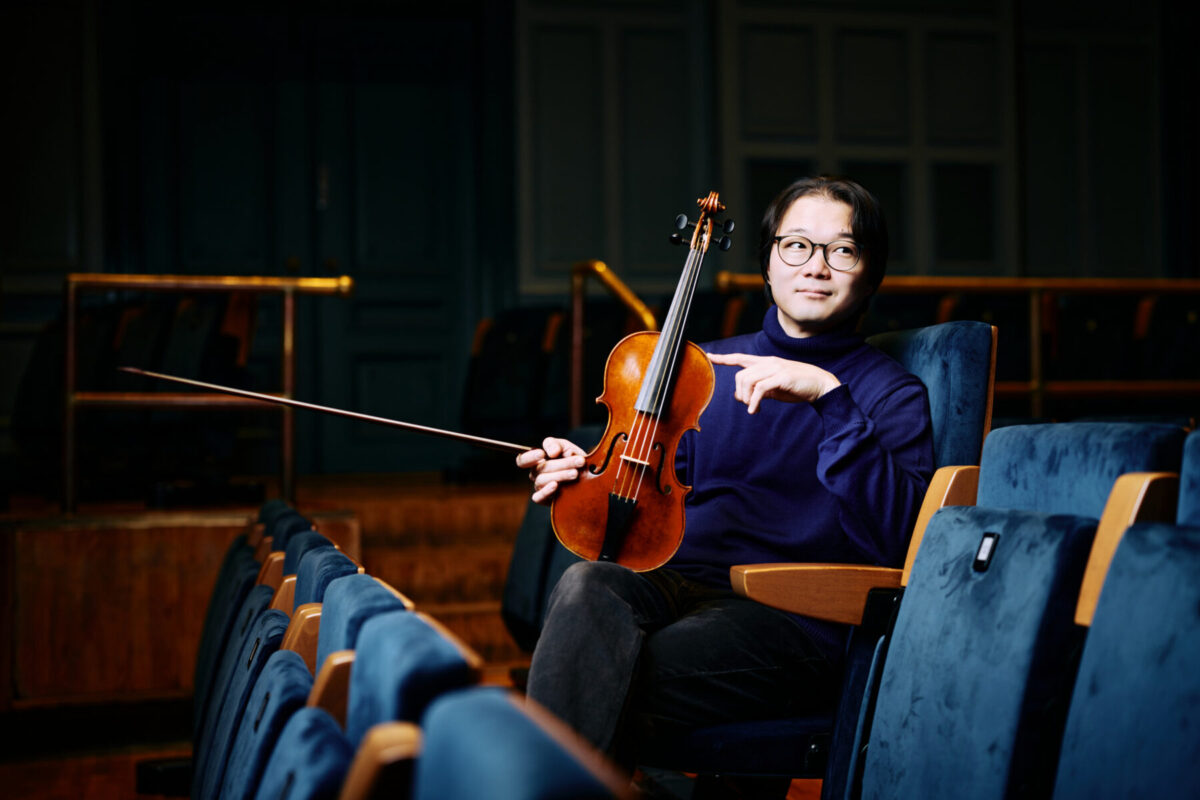
We are delighted to announce that KAJIMOTO artist and violinist/conductor Shunske Sato has been awarded the 57th Suntory Music Award for 2025.
The Suntory Music Award is conferred by the Suntory Foundation for the Arts (Directors General: Tsuyoshi Tsutsumi and Shingo Torii) on “individuals or ensembles for notable contributions to the development of classical music in Japan.” This prestigious award was created in 1969 with the establishment of the above-mentioned foundation, then called the Torii Music Foundation.
Please follow Shunske Sato’s continued success in his future endeavors.
Congratulations, Shunske!
About the 57th Suntory Music Award
Suntory Foundation for the Arts News Release (English, PDF)
Reason for the award
Early Music or Modern? For violinist and conductor Shunske Sato, such questions—and the dichotomies are becoming increasingly obsolete.
Drawing on a profound respect for historical performance-style, scores, and instruments, paired with an inquisitive and forward-looking artistic spirit, Sato transforms the past into a limitless source of creative possibility. At its core, early music is an exploration of shared human experience—an art form that transcends borders and eras, and in doing so, reveals its inherent diversity.
Sato’s fascination with early music took root during his teenage years in the United States. After extensive study, he now performs fluently on both period and modern instruments, treating them as equal facets of his artistic identity. His strong international outlook and multilingual ability have further enabled rich, flexible collaborations with musicians across the globe. Following his tenure as the sixth Artistic Director of the Netherlands Bach Society, he continues to broaden his international presence through performing, conducting, teaching, and mentoring—while actively cultivating the next generation of artists.
In recent years, Sato has brought significant artistic stimulus to the Japanese classical music scene. His appearances with the Tokyo Symphony Orchestra as guest conductor offered not only audiences but also the orchestra’s musicians a striking and transformative experience. His work with the Tokyo University of the Arts Chamber Orchestra, marked by improvisatory vitality and fearless musical engagement, expanded the perspectives of young performers and reaffirmed the joy of pursuing a life in music.
His nationwide Beethoven’s violin sonata cycles with Shuann Chai (fortepiano) indicated playfulness, intellectual curiosity, and artistic risk taking, encouraging audiences to listen actively rather than passively—an approach that left a notable imprint on the broader musical community. Last year, Sato founded the Past Forward Ensemble (PFE), a period instrument orchestra dedicated primarily to repertoire from the Romantic era onward. The ensemble will launch its inaugural performances this May in Cologne, Germany. True to its name, PFE aims to channel curiosity about the past into a creative force that shapes the future, stripping away entrenched assumptions and inviting both musicians and audiences into a more liberated musical experience.
At a time marked by division and uncertainty, Sato continues to demonstrate—clearly and compellingly—what only an artist can contribute. Music not merely as entertainment, but as a catalyst for reflection and deeper awareness.
This award recognizes his forward-looking vision and affirms the expectation that he will remain a vital force in shaping the future of classical music.
(Junko Yoshida, Selection Committee Member)